
Truck Finance in Australia: A Complete Guide for Owner-Drivers
ADS Team
Author
August 6, 2026
2 months ago
190
views
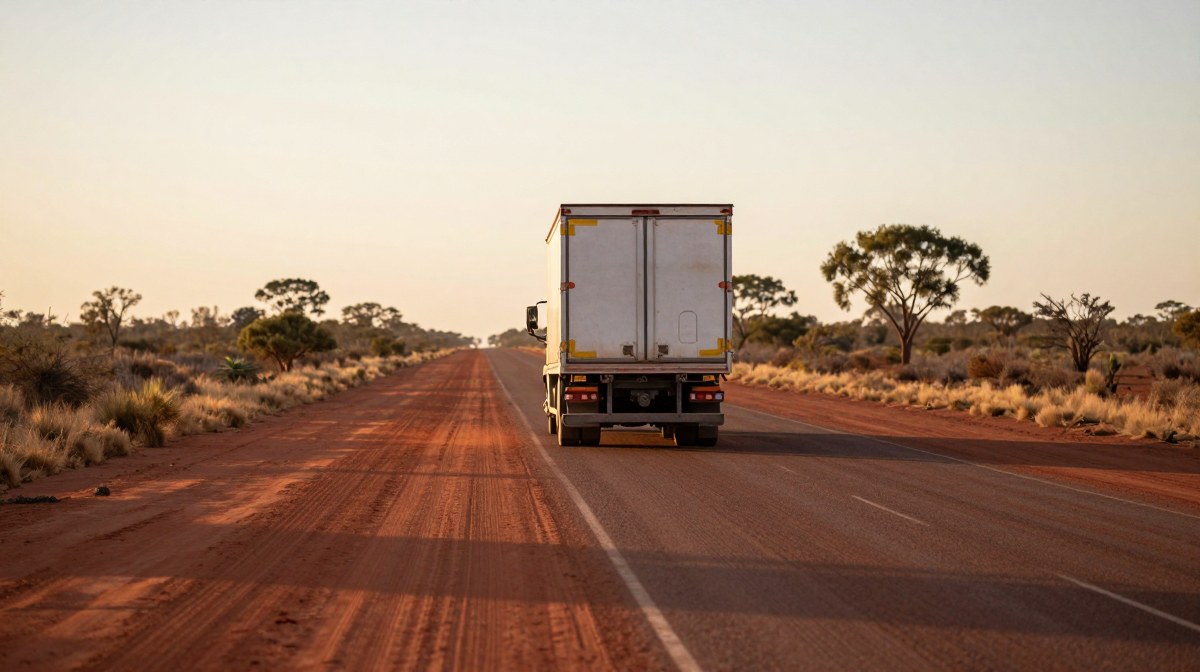
In short: Truck finance is asset-backed lending secured against the vehicle itself, which is why lenders will fund an owner-driver whose financials would not support an unsecured loan of the same size. Terms typically run three to five years with a balloon of 20-40%, and the truck's age, type and resale market drive both the rate and the maximum term.
Key takeaways
- The asset secures the loan, so approval leans on the truck as much as the borrower.
- A chattel mortgage returns the GST credit in your next BAS; a lease spreads it across the payments.
- Older trucks and private sales are routinely declined by banks and routinely funded by specialist lenders.
- Balloon payments lower the monthly repayment but leave a lump sum to refinance or fund at the end.
What do lenders actually assess?
- The asset. Make, model, age, kilometres and how liquid the resale market is. A late-model prime mover from a mainstream brand is far easier to fund than a specialised or imported unit.
- The work. A signed contract, a history of subcontracting to a known operator, or an established client base carries real weight, particularly for a first truck.
- ABN and GST history. Longer registration widens the lender pool. Under twelve months is possible but narrows options and lifts the rate.
- Deposit or trade-in. Nil deposit exists for strong applications; 10-20% opens up better pricing.
- Credit file. Weighed, but with security in place it is rarely decisive on its own.
Chattel mortgage, lease or rental?
| Chattel mortgage | Finance lease | Rental / operating lease | |
|---|---|---|---|
| Who owns it | You, from day one | Financier during the term | Financier throughout |
| GST on purchase | Claimed in full next BAS | Claimed on each payment | Claimed on each payment |
| You deduct | Interest + depreciation | The lease payment | The rental |
| End of term | Pay balloon, keep it | Pay residual or refinance | Hand back or re-rent |
| Suits | Trucks you keep long term | Keeping it, lower upfront GST cash | Frequent replacement cycles |
For most owner-drivers keeping the truck beyond the term, the chattel mortgage wins on cash flow alone: the GST credit comes back in one BAS rather than dribbling out over five years.
What does it cost?
On a $180,000 truck financed over five years with a 30% balloon, at an indicative 8.5%:
| Deposit | Financed | Monthly | Balloon at 5 years |
|---|---|---|---|
| Nil | $180,000 | $2,967 | $54,000 |
| 10% ($18,000) | $162,000 | $2,597 | $54,000 |
| 20% ($36,000) | $144,000 | $2,227 | $54,000 |
Budget for the balloon from the start. Refinancing it is normal practice, but it is a second credit decision at a point when the truck is five years older.
Frequently asked questions
Can I finance a truck bought privately?
Yes. Many banks refuse private sales, but specialist asset lenders fund them regularly, usually with an inspection and a verified payout of any existing finance on the vehicle.
How old a truck will lenders fund?
Mainstream lenders often cap the truck at 12-15 years old at the end of the term. Specialist lenders go older, at a higher rate and a shorter term.
Do I need financials for a first truck?
Not always. Low doc and asset-backed options assess the security and your work history instead of two years of returns, though the rate reflects the reduced verification.
Related reading
- Negative Equity: What It Means and What to Do
- Guarantor Home Loans: How Family Security Works
- Interest-Only Loans: Who They Suit and Who They Trap
Sources
- GST and motor vehicle purchases — Australian Taxation Office
- Simplified depreciation and asset write-off rules — Australian Taxation Office
Rates checked as at 2 September 2026. Interest rates, lender policies and government schemes change frequently. Figures in this article are illustrative and were accurate at the date shown.
General advice warning: This article contains general information only. It does not take into account your objectives, financial situation or needs, and it is not personal credit or financial advice. Consider whether it is appropriate for you and seek advice from a licensed credit representative before acting.
Any interest rate shown is an example only and is not an offer of credit. Where a rate is quoted, the applicable comparison rate is available from the relevant lender and should be considered alongside it.
Related Posts

Import/Export Letters of Credit
Import/Export Letters of Credit is best assessed as a decision framework rather than a headline promise. Define the purpose, compare total cost and flexibility, test the downside, verify the curren...

Secured Business Loans and Property Security
Secured Business Loans and Property Security is best assessed as a decision framework rather than a headline promise. Define the purpose, compare total cost and flexibility, test the downside, veri...

Guarantor Personal Loans
Guarantor Personal Loans is best assessed as a decision framework rather than a headline promise. Define the purpose, compare total cost and flexibility, test the downside, verify the current rules...
Need Financial Assistance?
Connect with our network of trusted finance providers to find the right loan solution for your needs.