
Construction Loans: How Progress Payments Work
ADS Team
Author
August 3, 2026
2 months ago
252
views
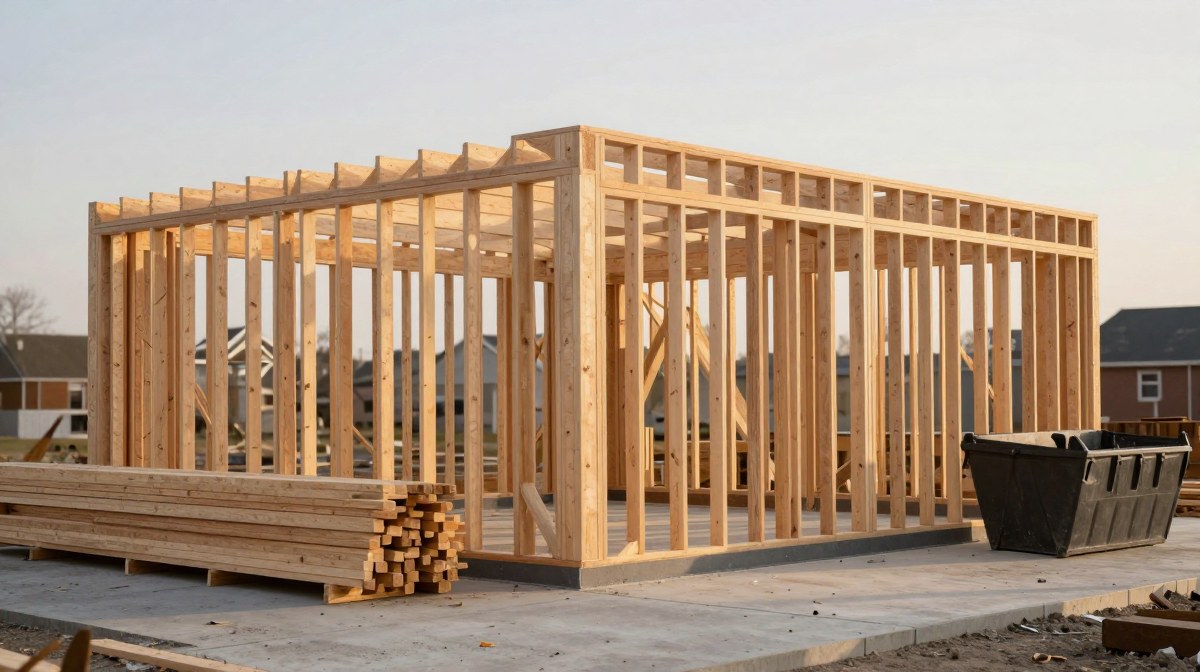
In short: A construction loan releases funds in stages as your build progresses rather than in one lump sum, and you pay interest only on what has been drawn. That keeps costs down early - but it also means the lender inspects and values at each stage, and any variation or delay flows straight through to your interest bill.
Key takeaways
- Interest accrues only on drawn funds, so early costs are low and rise through the build.
- The standard stages are deposit, base, frame, lock-up, fixing and completion.
- Most lenders require a fixed-price contract from a licensed builder.
- Variations are usually funded by you, not the loan - budget for them separately.
The standard drawdown stages
| Stage | % of contract | What it covers |
|---|---|---|
| Deposit | 5% | Contract signing |
| Base / slab | 15% | Foundation poured |
| Frame | 20% | Frame up and approved |
| Lock-up | 25% | Windows, doors, roof |
| Fixing | 20% | Internal fit-out |
| Practical completion | 15% | Finished and handed over |
Percentages vary by builder and contract. Use the schedule in your own building contract rather than a generic one.
What interest actually costs during the build
On $400,000 of land drawn at settlement plus a $600,000 build over ten months at 7.5%, interest during construction totals roughly $44,700 - against about $62,500 if the whole facility were drawn from day one. The staged drawdown saves around $17,800.
You will usually be paying that interest while also paying rent or an existing mortgage. That overlap is the most common cash-flow surprise in a build, and it is entirely predictable - so budget for it.
The risks lenders care about
- Builder solvency. Insolvencies have left owners with half-finished homes and drawn loans. Check the builder's licence, history and insurance.
- Cost escalation. A fixed-price contract protects you against most of it - read what is excluded.
- Variations. Changes you request mid-build are usually funded from your own pocket, not the loan.
- Delays. Interest keeps accruing on drawn funds, and some facilities have a hard expiry.
- On-completion valuation. If the finished property values below expectations, your LVR rises and the lender may require more equity.
Frequently asked questions
Do I make full repayments during construction?
Usually interest-only on the drawn balance, converting to principal and interest at practical completion. Some lenders capitalise the interest into the loan instead.
What if my builder goes under mid-build?
Domestic building insurance (called different names by state) provides some cover, and the lender will stop further draws. It is disruptive and expensive, which is why builder due diligence matters more than the rate.
Can I do an owner-builder construction loan?
Some lenders allow it, at lower LVRs and with more documentation, because there is no builder's warranty and no fixed-price contract. Many decline it outright.
Related reading
- The Home Loan Repayment Formula, Worked Step by Step
- Mortgage Prisoners: When You Cannot Refinance
- Refinancing Your Home Loan: The Complete 2026 Process
Sources
- Building and renovating — ASIC Moneysmart
- Building activity, Australia — Australian Bureau of Statistics
Rates checked as at 2 September 2026. Interest rates, lender policies and government schemes change frequently. Figures in this article are illustrative and were accurate at the date shown.
General advice warning: This article contains general information only. It does not take into account your objectives, financial situation or needs, and it is not personal credit or financial advice. Consider whether it is appropriate for you and seek advice from a licensed credit representative before acting.
Any interest rate shown is an example only and is not an offer of credit. Where a rate is quoted, the applicable comparison rate is available from the relevant lender and should be considered alongside it.
Related Posts
Green Home Loans and Energy-Efficiency Discounts
Green Home Loans and Energy-Efficiency Discounts is best assessed as a decision framework rather than a headline promise. Define the purpose, compare total cost and flexibility, test the downside,...

Non-Conforming Loans After Credit Impairment
Non-Conforming Loans After Credit Impairment is best assessed as a decision framework rather than a headline promise. Define the purpose, compare total cost and flexibility, test the downside, veri...

Family Pledge vs Gifted Deposit: Legal and Tax Differences
Family Pledge vs Gifted Deposit: Legal and Tax Differences is best assessed as a decision framework rather than a headline promise. Define the purpose, compare total cost and flexibility, test the...
Need Financial Assistance?
Connect with our network of trusted finance providers to find the right loan solution for your needs.